
The appropriate barn setup makes all the difference when it comes to keeping your livestock safe and comfortable. That is why many farmers and ranchers are now using livestock strip curtains as their go-to solution at their barns. These heavy-duty vinyl strips do not only allow easy access to your facility, but they also help in maintaining the temperature inside your barn to ensure that your livestock is comfortable no matter what the weather is outside. In this blog, we will go through information on how livestock strip curtains can transform your operation and keep your animals healthier.
Audio Explainer
Understanding Livestock Strip Curtains
A Simple Solution That Actually Works
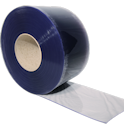
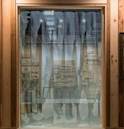
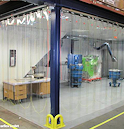
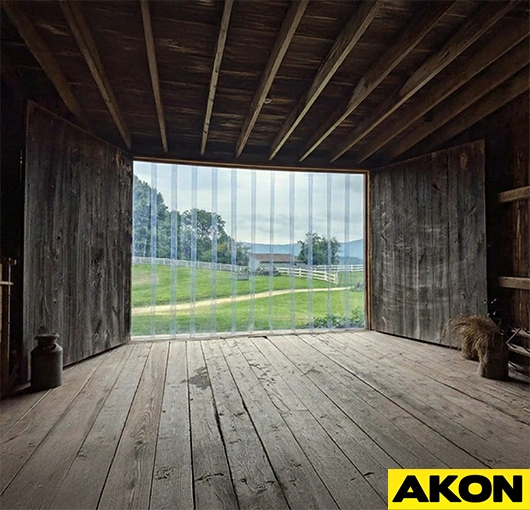
Strip curtains are made of overlapping PVC strips that hang down in doorways and barn openings. Ranchers and farmers can push through them without any hassle because of its design. They block wind, rain, cold air and even pests from getting inside the barn. The clear material lets ranchers see what’s inside which helps calm down stressed livestock who most of the time refuse to walk through solid doors. It may look basic, but this is a smart solution especially if you are looking for an affordable way to close your barn.

Types of Animals That Benefit
Horses and Equine Facilities
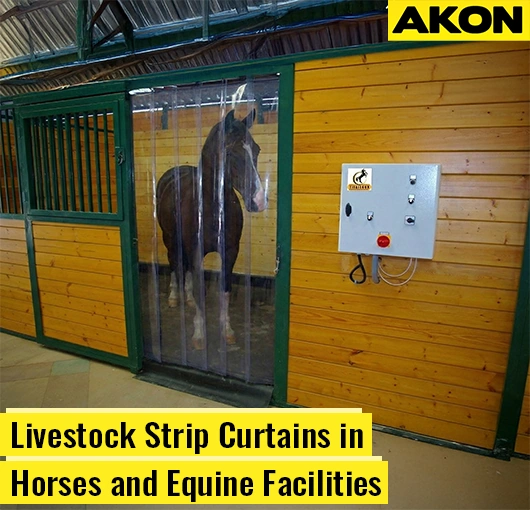
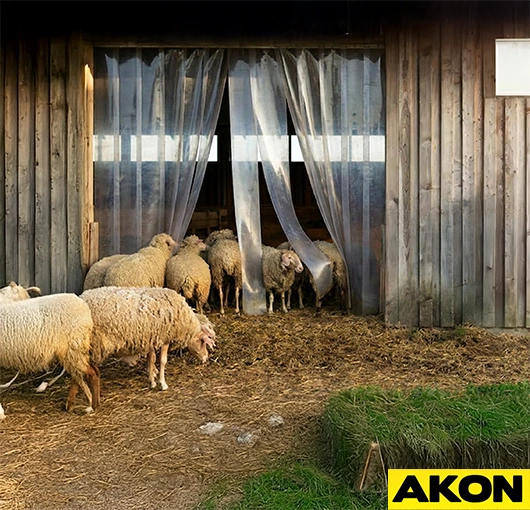
Horse barns rely on livestock strip curtains more than almost any other type of facility. The right width and overlap make all the difference when setting up your horse barn. Run-in sheds with livestock strip curtains let horses move back and forth between pasture whenever they want, all while keeping the inside of the barn warm and free from cold drafts. The see-through material helps horses feel more comfortable in getting in and out of the barn without getting stressed, which is one of the struggles of ranches who use solid doors for their barns. Breeding facilities also love these livestock strip curtains because they can control temperatures inside. Mares and newborn foals need a certain amount of heat and livestock strip curtains do exactly that without anyone having to open or close doors all day. Barn aisles become easier to manage too as you can create separate temperature zones within your facility without blocking your ways or slowing down your daily activities.
Cattle Operations
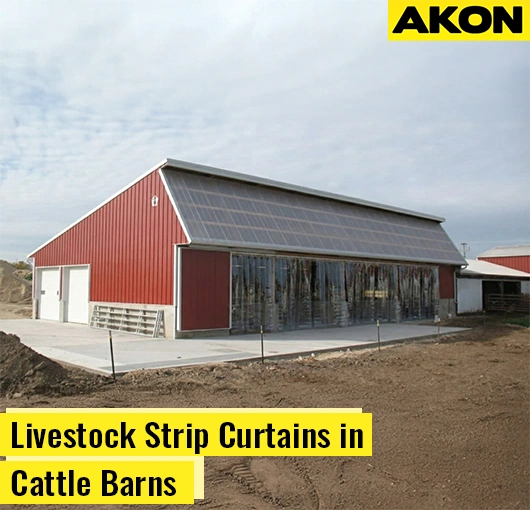
Dairy barns uses livestock strip curtains for their milking shops and calf housing. These pvc strips are heavy duty and can withstand repeated pushing of large animals. Young calves are especially vulnerable to drafts and temperature swings, that is why it is important that their shelter has controlled temperature. Livestock strip curtains reduce airborne pathogens while still allowing enough ventilation to the barn. This combination prevents respiratory issues on the animals and make their living condition extra comfortable.
Beef cattle facilities use this solution for high traffic areas like feed storage. It also allows the animals to take shelter during storms easily without barn owners needing to manually close and open doors for them.

Small Livestock
Ruminant farms find livestock strip curtains especially useful as these spaces needs protection from elements while still allowing shepherd to always get access to the area. These strip curtains provide protection without making the facility stuffy that usually comes in fully enclosed spaces.
Poultry farms also benefit from livestock strip curtains significantly. Chicken coops and turkey houses with strip curtain entries maintain better temperature control while keeping predators and wild birds out. The pest control aspect alone justifies the investment for many farmers as flies and other kinds of insect are prevented from entering the poultry farm through the strips.
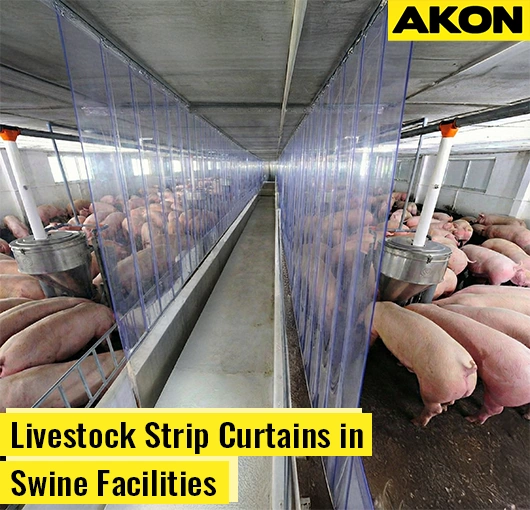
Swine Facilities
Swine facilities face unique challenges in biosecurity and livestock strip curtains offer an extra layer of protection. The barriers help maintain the strict environmental requirements that modern swine production requires. Farrowing houses benefit from draft protection, giving newborn pigs better start in those critical first days of life.
Cleaning and sanitation is also a big deal in swine facilities. These livestock strip curtains are easy to clean and can be hosed down quickly maintaining the sanitation standards necessary for these kinds of facilities.
Zoo and Wildlife Applications
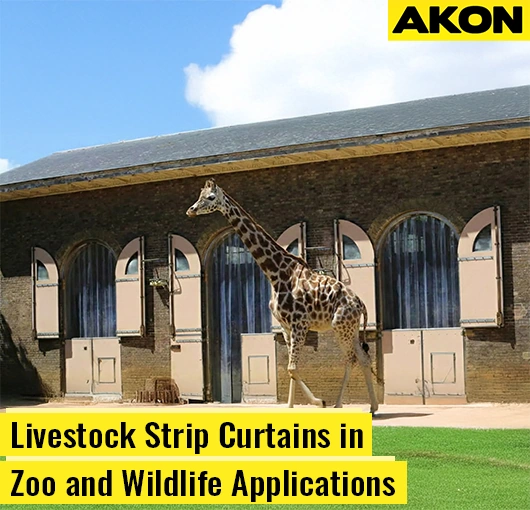
Zoo and Wildlife Applications
Modern Zoo facilities face complex challenges in creating environments that serve both animals and zoo goers. Livestock Strip Curtains have become a valuable tool in meeting these challenges. These facilities require a controlled environment, biosecurity measure and flexibility in operations that traditional permanent walls don’t usually provide.
Livestock strip curtains offer a simple yet smart solution that balances all these needs while remaining to be cost effective and adaptable to unique demands of housing different kinds of animals.

Specialized Animal Housing
Primate facilities have found livestock strip curtains useful for indoor-outdoor transition areas. Great apes and monkeys can move freely between spaces while facility keepers maintain appropriate temperatures in each zone. The transparent material reduces stress in animals since they can see what is beyond the barriers making them comfortable passing through the curtains.
The curtains also reduce noise transmission in between spaces which keeps animals’ calmer during moving and separation. They also provide climate control in outdoor exhibit shelters where cats might seek refuge from harsh weather.
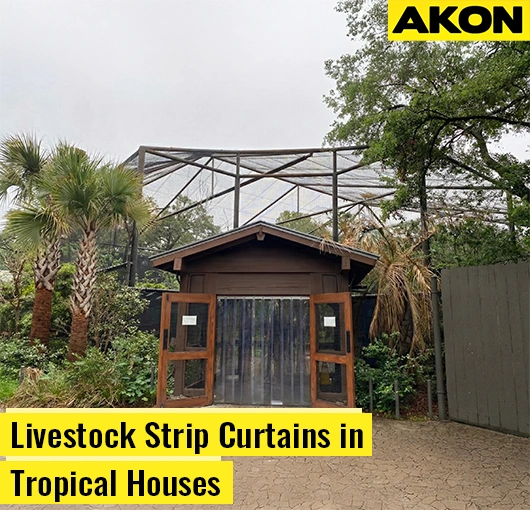
Behind the Scene Operations
Livestock strip curtains are especially useful for zookeepers as well since it allows them to move between temperature-controlled areas without compromising temperatures on either of the spaces the move in and out to. This is true in tropical houses and reptile buildings where certain environmental control is required. Quarantine facilities also use strip curtains to create isolation zones without having to build permanent walls. New animals that need to be quarantined can be kept separated from others while allowing staff to access and monitor them. The transparent material of these curtains allows visual check ins without entering the space and preventing potential spread of pathogens.
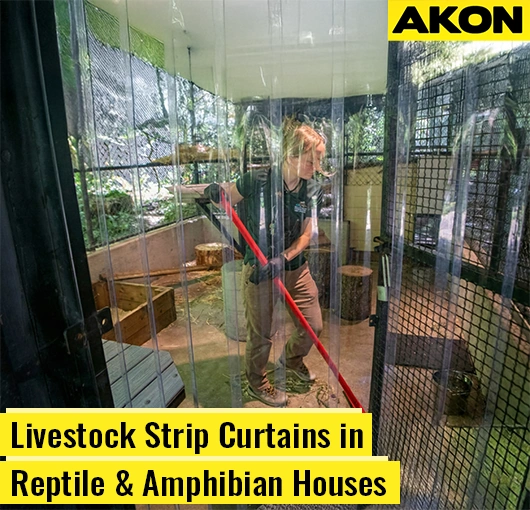
Reptile and Amphibian House
Reptile facilities demand the strict environmental control of any zoo building. Temperature and humidity jump even to just a few degrees can stress cold-blooded animals and affect their health. Livestock strip curtains can create effective barriers between different temperature zones within these facilities. A desert reptile room maintained at 85 degrees with low humidity can exist next to a tropical rain forest zone at 78 degrees with 80 percent humidity. The strips prevent cross-contamination of these carefully controlled environments while allowing zookeeper access. The transparency also provides the zookeeper to visually check them in without glass installation which usually cause fog and create glare issues.
Veterinary and Hospital Facilities
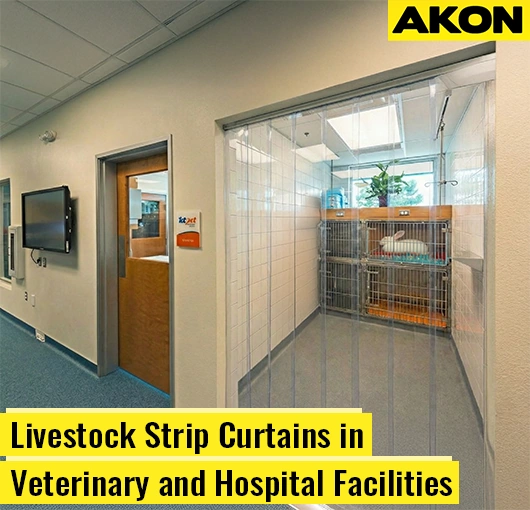
Zoo veterinary clinics also deal with challenges when treating sick animals with different needs. They might need to treat a bird that needs warm temperature in the same facility where a polar bear needs cold conditions. Livestock strip curtains help them solve this problem by letting staff quickly reconfigure rooms and create temporary isolation areas with different climate zones based on what the patient needs. These strips are also useful in surgical suites because instead of building permanent walls, they can use the strips to create pre-operation and recovery areas that can be adjusted as needed. Necropsy facilities also rely on these heavy-duty strips to contain strong odors and maintain the right temperature while still allowing staff access as needed along with equipment.
Commissary and Food Storage
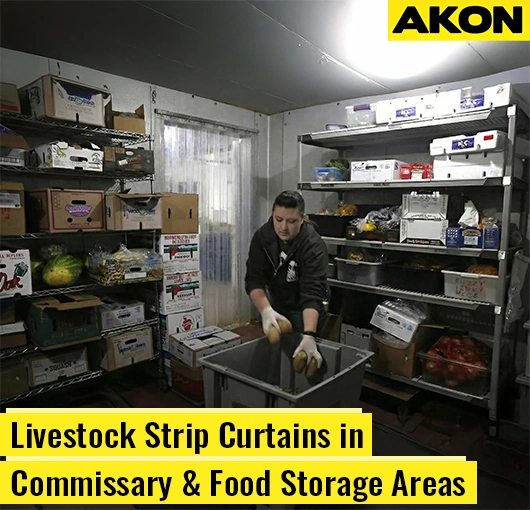
Large Zoo kitchens prepare specialized diets for different kinds of animals every day. Walk-in coolers and freezers hold everything from fish to produce to primate biscuits. Zookeepers constantly go in and out of their storage throughout their shifts. Livestock strip curtains keep the temperature stable despite all the foot traffic which saves energy and keeps the food fresh.
The strip curtains are also used as divider for separating raw food preparation areas from ready to eat diet storage. This keeps everything organized and sanitary. Pest control also becomes simple with these barriers. Flies, rodents, and other unwanted pests struggle to get in through the overlapping strips which is important because specialized animal diet costs a fortune and contamination from these pests can hit the budget hard.
Butterfly and Insect Conservatories
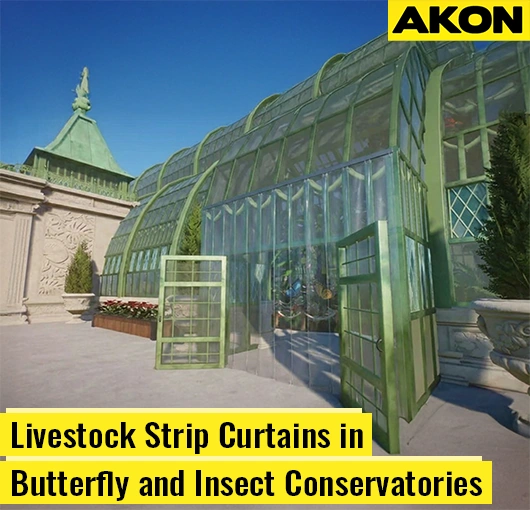
Butterfly houses face ultimate containment challenge as they can slip through the tiniest gaps, yet they need good airflow and accurate temperature to grow. Livestock strip curtains at visitor entrances solve this problem perfectly as butterflies won’t attempt to pass through them. The cooler air near exist naturally discourages tropical butterflies from flying through those areas.
Zookeeper entrances user narrower strips with higher overlap percentages for maximum security. They can still move through easily but even the boldest insects are unable to escape these barriers. Temperature and humidity control also improves once these curtains are properly installed throughout the facility.
Large Mammal and Hoof Stock Barns
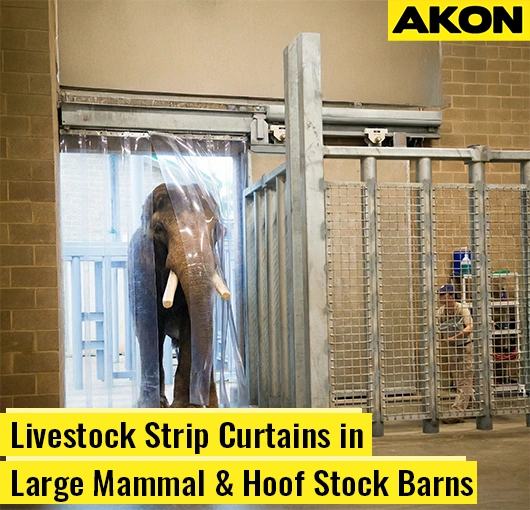
Elephant, rhino, and giraffe facilities need large doorways. Keeping these massive openings climate-controlled usually creates big challenges and even bigger utility bills. Livestock strip curtains with 16-inch widths help zoo owners solve this problem quickly. Once the large animals get comfortable with them, they can walk though in and out of them without hesitation and ensures the temperature and humidity stays the same despite the foot traffic.
These strip curtains can handle pushing and occasional rubbing from animals that weigh several tons as long as they are installed properly. Hoof stock barns that houses zebras, antelope and other species also uses strip curtains in their facilities as it helps the animals be comfortable with them easily as opposed to using metal doors in their openings which can get scary for the animals since they cannot see what’s on the other side.
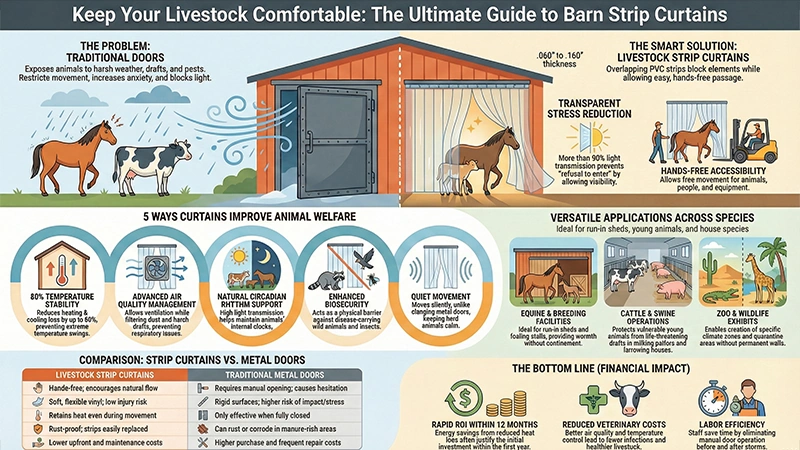
How Strip Curtains Improve Animal Welfare
Material Strength
Heavy-duty PVC in .060" to .160" thicknesses provides maximum durability for high-traffic livestock areas.
Transparency
Crystal-clear vinyl maintains full visibility, reducing animal anxiety and improving safety for handlers.
Customizability
Custom-fit for any opening with adjustable overlap and strip widths to optimize climate control.
Temperature Control
Overlapping strips reduce heating and cooling costs by up to 80% while maintaining consistent climate.
5 Ways Strip Curtains Improve Animal Health and Welfare
1. Temperature Stability –Barn Strip Curtains keep extreme temperature swings from stressing animals out. When livestock deals with constant temperature shifts, they eat less efficiently and gets sick often. Facilities using these strip curtains report energy savings between 60 to 80% while keeping the animals comfortable all year round no matter what the weather is.
2. Air Quality Management –Getting the right amount of airflow in a barn can be tricky. Livestock Strip Curtains solve this problem by letting fresh air get in the area while stopping harsh winds and drafts. The overlapping design filters out dust and other particles that may cause breathing problems in horses and other animals and more importantly, prevents airborne illness in animals.
3. Natural Light Transmission –Clear PVC strips let over 90 percent of sunlight pass through. This natural light helps horse keep their body clocks running normal and encourages chickens to lay eggs more regularly. Farmers also benefit from this solution because they can check on their animals from the outside without walking into the barn and disturbing them.
4. Stress Reduction –Animals feel much comfortable walking through transparent barriers rather than solid doors. Being able to see what is on the other side takes away their fear and uncertainty. The livestock strip curtains move quietly and smoothly as they pass through unlike metal doors that can care animals during transport. Herd animals would feel more confident once they watch others walk without any problems.
5. Disease prevention and biosecurity – Livestock Strip Curtains acts as guards that stops germs from spreading between areas of a facility. They also keep out wild animals like raccoons, opossums, and wild birds that might bring diseases into the facility. This extra layer of protection keeps feed supplies clean and helps lower the overall risk of illness spreading through the livestock.
Cost Analysis

Understanding the financial investment help barn owners plan appropriately. Livestock Strip Curtains cost typically ranges from $200 to $1500 depending on the size of the area you are enclosing and any customization that you will opt to add during ordering. A standard 10x10 foot opening with medium duty strips and wall mount hardware usually falls in the $400 to $600 range.
Operating cost savings accumulate quickly. Energy reductions alone often justify the investment within the first year. A facility spending $200 annually on heating might cut that by $1200 to $1500 with strategic curtain placement.
Less obvious savings come from improved health of the animals. Respiratory issues in animals cost money in medicine and loss of productivity. Reducing these problems through better climate control and air quality delivers real financial benefits.
Labor savings also matters. Farm owners would no longer spend time opening doors before storms or closing them afterward. Animals self-regulate their access to the barn, removing this task from the daily workload.
Choosing The Best Solution
Are you a barn owner or maybe a zoo owner looking for the best solution for your facility? We've created a comparison table to show you the differences between Livestock Strip Curtains and Metal Doors when applied in livestock facilities to help you decide which solution fits your needs the most.
| Feature | Livestock Strip Curtains ⭐ Recommended | Metal Doors |
|---|---|---|
| Ease of Access 🚶 | Allows hands-free movement for animals, people, and equipment. Encourages natural livestock flow. | Requires opening and closing. Slows movement and causes hesitation. |
| Animal Safety 🐄 | Soft, flexible vinyl reduces injury risk. Safe if animals make contact. | Rigid surface increases impact risk. Higher chance of stress or injury. |
| Climate Control 🌡 | Helps retain heat while allowing movement. Reduces drafts in barns. | Effective only when fully closed. Often left open during use. |
| Durability 🔍 | Resistant to moisture, dirt, and manure. Individual strips are easy to replace. | Can rust or corrode in harsh environments. Higher maintenance needs. |
| Cost Efficiency 💰 | Lower upfront and long-term costs. Best value for livestock facilities. | Higher purchase and repair costs. Costly over time. |
Complete Buyer's Guide
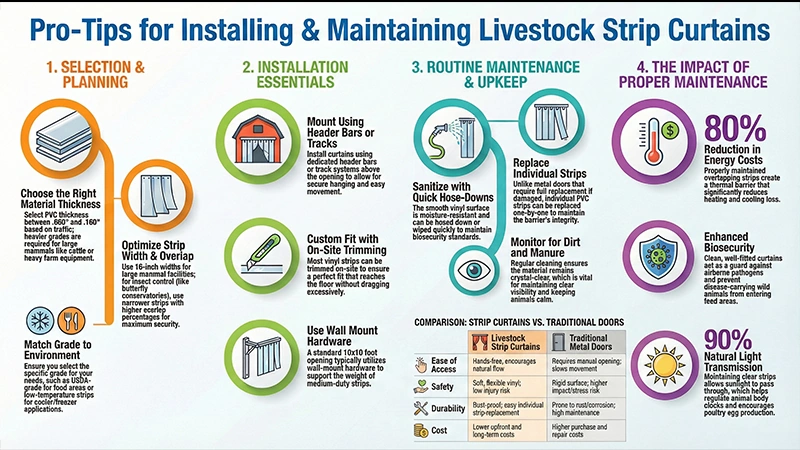
Choosing the right strip curtain for a livestock facility plays a big role in daily operations, animal comfort and long-term durability. This guide breaks the process into simple steps that are easy to follow even for first time barn owners.
Installation & Maintenance
Frequently Asked Questions
Below is a frequently asked question section that answers the most common questions about using livestock strip curtains in any animal facilities. The questions and answers deep dive on how they control temperature, airflow, and cleanliness while still allowing easy movement in between areas for animals, staff and even transporting equipment. The main goal is to ensure that barn and zoo owners can choose the right strip curtain for their facilities and understand how it works in a real-life setting. The answers also give more information in installation, maintenance and long-term use.
Livestock Strip Curtains FAQ
What are livestock strip curtains used for?
They are used to separate areas inside animal facilities while allowing easy movement. Livestock strip curtains help control temperature, airflow, dust, and odors without blocking visibility. They are commonly installed in barns, animal housing, feed rooms, and equipment openings.
How do livestock strip curtains improve barn efficiency?
They improve efficiency by creating clear zones without solid walls. Strip curtains reduce heat loss, limit drafts, and help keep bedding and feed areas cleaner while allowing equipment and animals to move freely.
Can livestock strip curtains be used with animals moving through them?
Yes, they are designed for frequent animal traffic. Flexible vinyl strips bend on contact, making it easy for livestock to pass through while maintaining separation between areas.
What sizes are available for livestock strip curtains?
They are available in multiple strip widths, thicknesses, and overlaps. Options range from light duty strips for foot traffic to heavy duty strips for equipment and high use openings.
Are livestock strip curtains safe for animals?
Yes, they are safe when properly selected and installed. The smooth vinyl material has no sharp edges and maintains visibility, helping animals move comfortably through openings.
Do strip curtains help with temperature control in barns?
Yes, they help reduce heat loss and cold air infiltration. Livestock strip curtains act as a thermal barrier while still allowing access between barn areas.
Can livestock strip curtains reduce dust and debris?
Yes, they help contain dust, bedding, and airborne debris. Separating spaces limits cross contamination between animal pens, feed storage, and work areas.
Are livestock strip curtains suitable for indoor and outdoor openings?
Yes, they can be used in indoor and semi outdoor openings. Different vinyl grades handle moisture, temperature changes, and light wind exposure.
How do I choose the right thickness for my application?
Thicker strips are best for heavy equipment and high traffic areas, while thinner strips work well for pedestrian or light animal movement.
Do livestock strip curtains block visibility?
No, most livestock strip curtains are made from clear vinyl, allowing animals and staff to see through while maintaining separation.
Can strip curtains help with odor control?
Yes, they reduce uncontrolled airflow, which helps limit odor movement between barn zones and improves working conditions.
Are livestock strip curtains easy to clean?
Yes, the smooth vinyl surface can be wiped down or washed as needed, making them easy to maintain in animal facilities.
How long do livestock strip curtains last?
They are built for durability. Lifespan depends on traffic levels, exposure, and strip thickness, with heavier grades lasting longer.
Can livestock strip curtains be trimmed on site?
Yes, many strip curtains can be trimmed to fit specific openings, allowing flexibility during installation.
Do these curtains work with forklifts and farm equipment?
Yes, when properly sized, strip curtains allow forklifts, carts, and equipment to pass through smoothly.
Are livestock strip curtains resistant to moisture?
Yes, vinyl strip curtains resist moisture and humidity, making them suitable for barns and wash down areas.
Can livestock strip curtains reduce noise?
Yes, they help dampen sound by limiting open air movement between areas, creating a calmer environment.
Are livestock strip curtains customizable?
Yes, they can be customized by size, overlap, strip width, and mounting hardware to fit different openings.
How are livestock strip curtains installed?
They are installed using header bars or track systems above the opening, allowing easy setup and strip replacement.
Do livestock strip curtains help improve animal comfort?
Yes, they reduce drafts, noise, and temperature changes, supporting calmer and more consistent housing conditions.
Livestock Strip Curtains in Animal Facilities
Livestock Strip Curtains help organize and improve daily operations inside a barn or any animal facility. The clear strip curtains separate animals, feed storage, and work areas while allowing easy movement for staff and animal transport. They help control temperature, reduce dust and odors, and keep animals’ calmer by limiting airflow and noise. This is a great alternative for building permanent walls and it will not break the bank especially if the barn owner is looking to save on money for other expenses. These strip curtains provide cleaner workflow, better animal comfort and better facility management overall.
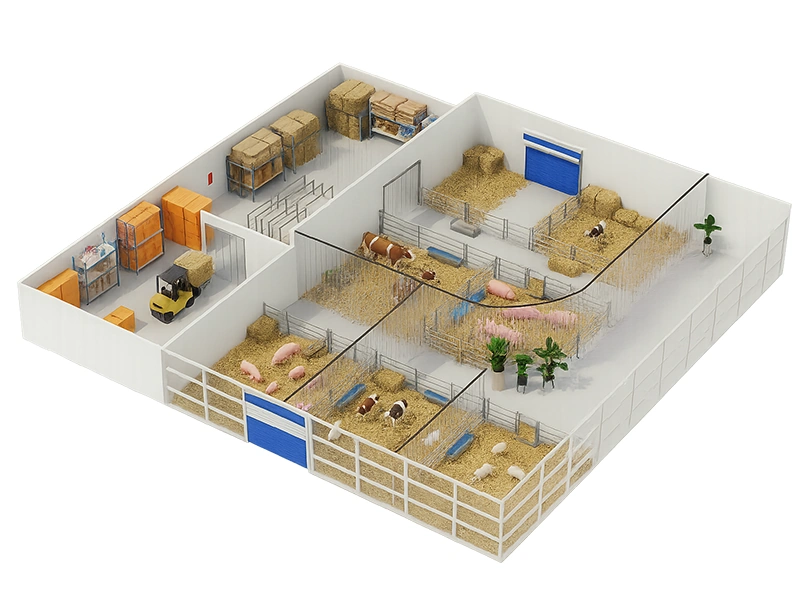
Photo Gallery
Conclusion
Livestock strip curtains offer a smart and long-lasting solution for improving animal facilities of all sizes. They help create cleaner spaces, better airflow control and more comfortable living environments for animals and provides healthier daily operations to staff by reducing energy loss and limiting dust and debris from animals. They adapt easily to different barn layout and traffic needs if they are installed properly. These high-quality strips are a simple upgrade that can make noticeable difference in how animal facilities operate every day.