
Curtains to Divide Shared Living Spaces
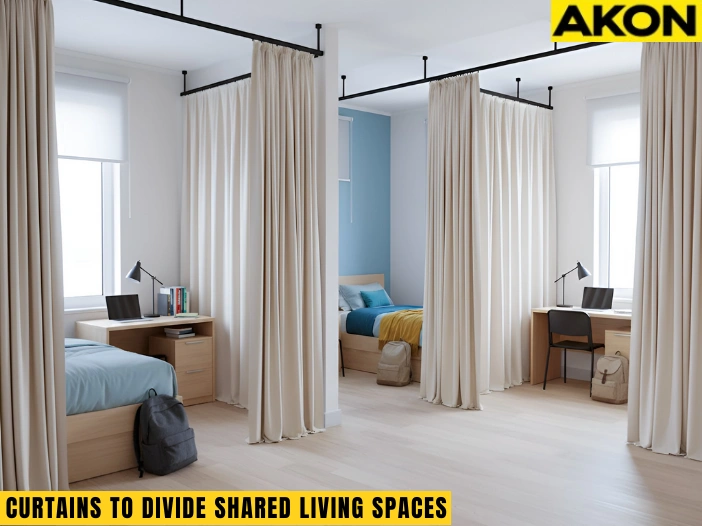
Curtains to Divide Shared Living Spaces are soft, flexible privacy barriers used to separate sleeping and living areas in shared housing. Common in dorms, boarding schools, and staff housing, they help manage limited privacy and shared rooms. This guide explains the benefits, how to choose the right curtain solution, recommended options, and answers common questions for shared living environments.
Why Curtains Are a Smart Choice for Shared Living Environments
Shared living spaces need solutions that support privacy while remaining adaptable. In dorms, boarding schools, transitional housing, and staff housing, room layouts and occupants often change. Curtains provide a practical way to manage space while keeping rooms comfortable, flexible, and easy to adjust over time.
Soft Barriers That Adapt to Shared Living
Curtains act as soft barriers that divide space without permanently altering a room. Unlike hard walls, they allow shared areas to stay open when privacy is not needed and closed when it is.
This flexibility works well for rotating occupants, different sleep schedules, and rooms that serve more than one purpose throughout the day. It also allows housing managers to adjust layouts without structural changes.
Comfortable Separation for Daily Use
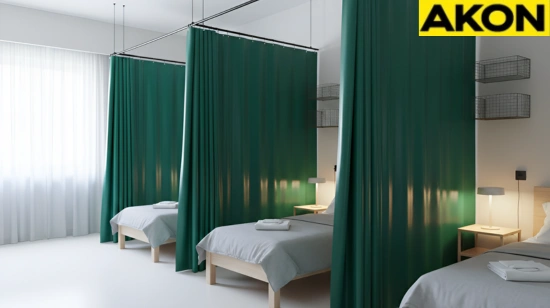
Curtains make it easier to separate sleeping areas, study or rest zones, and shared living spaces within the same room. They create visual separation while maintaining a comfortable and functional environment.
Because curtain systems are simple to install and adjust, they fit well in shared housing settings that value efficiency and minimal disruption. This helps improve daily comfort without complicating room design.
Benefits of Using Curtains to Divide Shared Living Spaces
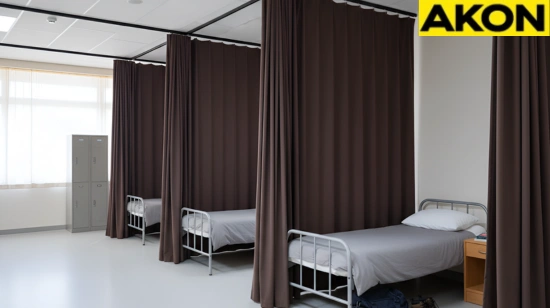
Curtains provide simple, soft privacy barriers that help create a more comfortable and respectful shared living experience. In environments where space is shared for sleeping, studying, and daily routines, these benefits make a noticeable difference in how rooms function and feel.
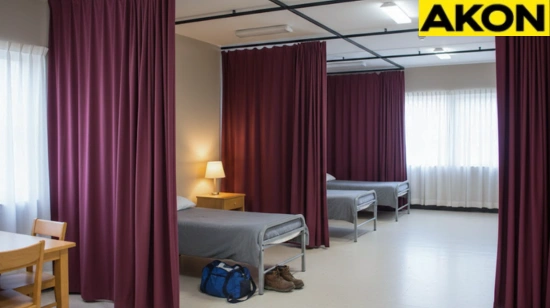
• Reduced visual distraction. Curtains limit visual clutter and movement in shared rooms, helping residents relax, focus, or sleep more comfortably. This is especially helpful when multiple activities happen in the same space.
• Better use of shared space. Curtains allow rooms to remain open and functional while still offering separation when needed. This balance helps shared housing feel more organized without adding bulky structures.
• Simple long-term upkeep. Curtains are easy to clean, adjust, or replace as room needs change. This makes them practical for housing environments with frequent occupant turnover.
Instant Privacy
Curtains create visual separation between sleeping and living areas, giving residents a clear sense of personal space within shared rooms.
Flexible Space Control
Curtain dividers open and close easily, allowing rooms to shift smoothly between sleep, study, and daily activities without changing the layout.
No Construction Required
Curtains add privacy without permanent changes, making them well suited for dorms, boarding schools, and transitional housing where flexibility is essential.
Material Options

Vinyl
In areas where getting the curtain dirty is a concern we have the 18oz Vinyl curtains. Its slick surface makes it easy to clean and it is resistant to water spray. Unlike the fabric materials its surface is more reflective and shiny. This is the workhorse material that is made for less than ideal conditions. 100% Visual blackout, 90% Light blackout. $$

Fabric | Poly Stretch
Poly Stretch 6oz is a soft material commonly used in many commercial and industrial photo applications. It’s a two-way stretch fabric with zero, to minimal wrinkle and it has a flat matte finish. It is commonly used to create backdrop walls for photography of large products like automobiles. 75% Visual blackout, 50% Light blackout. $$

Fabric | Premium Velour
This luxurious 14oz fabric is ideal for stage backdrops, dividing a space or creating a high-end look with fabric. It's inherently flame resistant, lightweight and washable. It's the ideal fabric for commercial curtains that need to look great at a reasonable price. 100% Visual blackout, 90% Light blackout. $$$
Material Options
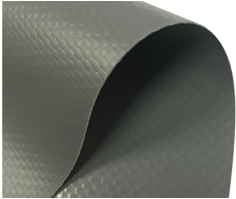
18 oz Reinforced Vinyl (standard)
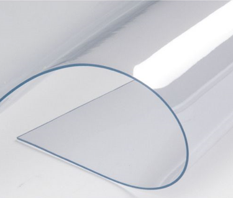
20 mil Clear PVC For Clarity
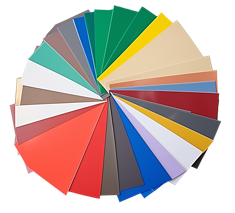
Available in Multiple Colors

Strong Materials
How to Choose the Right Curtain Solution for Shared Housing
After knowing the benefits, the next step is selecting a curtain solution that matches the size of the room, the level of privacy needed, and how the space is used each day. The comparison table below helps facility managers and residents quickly evaluate common options so they can make a practical choice without overthinking the process.
| Curtain Type | Best Use for Shared Housing | Privacy Level | Noise & Light Control | Installation & Maintenance | Sizing Options |
|---|---|---|---|---|---|
| Standard Curtains | Smaller shared rooms or temporary sleeping separation | Moderate | Visual separation with limited noise and light control | Simple installation and easy upkeep | Limited sizing |
| Extra Large Commercial Curtains | Dorm rooms or shared housing with wide layouts or high ceilings | High | Strong visual privacy with improved light control | Moderate setup with durable materials | Custom sizes for wide or tall spaces |
| Industrial Curtain Walls | Large shared housing facilities or multi use rooms | Very high | Enhanced separation with better noise and light control | More involved installation with long term durability | Fully customizable for large openings and bunk layouts |
When choosing a curtain solution, consider how many people share the space, how privacy needs change throughout the day, and whether the layout may be adjusted over time. Selecting the right option helps maintain comfort, supports daily routines, and keeps shared living environments easy to manage.
Curtain Solutions That Support Privacy in Shared Living Spaces
Once the room size and privacy needs are clear, choosing the right curtain system helps create comfortable sleeping and living separation without permanent changes. The options below are well suited for dorms, boarding schools, transitional housing, and staff housing.
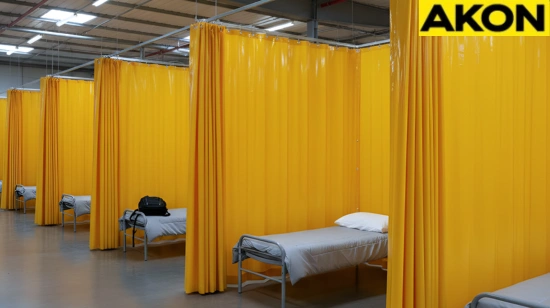
Insulated Curtain Wall
Insulated curtain walls are ideal for larger shared rooms where sleeping and living areas need clear separation. They provide reliable coverage while supporting comfort in spaces that are used throughout the day and night.
• Provides full-height coverage to separate shared zones clearly
• Helps support comfort by limiting drafts and outside disturbances
• Works well in wide or open layouts that need consistent privacy
• Choose this option when rooms serve multiple purposes throughout the day
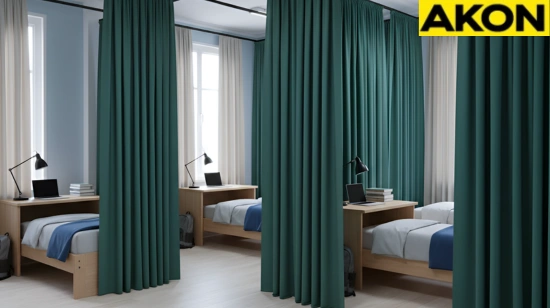
Fabric | Poly Stretch
Poly stretch curtains offer a durable and flexible solution for shared housing environments. They are designed to handle frequent daily use while maintaining a clean and functional appearance.
• Durable fabric suited for frequent opening and closing
• Smooth operation supports daily routines and changing schedules
• Offers reliable visual separation without feeling heavy in the space
• Choose poly stretch when ease of use and long-term durability matter most
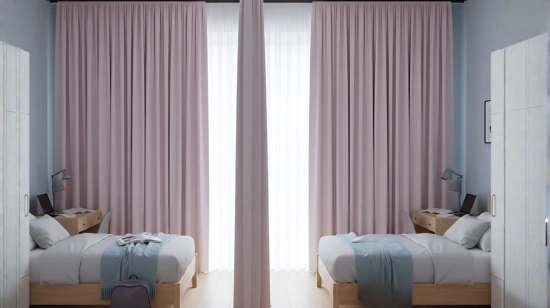
Fabric | Premium Velour
Premium velour curtains are best for shared living spaces where privacy and comfort are a priority. Their thicker fabric helps create a more enclosed and restful environment for sleeping and quiet time.
• Thicker fabric creates a more private sleeping area
• Soft texture adds a warmer, residential feel to shared rooms
• Improves light control for rest and overnight use
• Choose premium velour when comfort and privacy are the main focus
Frequently Asked Questions
FAQs: Curtains to Divide Shared Living Spaces
Are curtain dividers suitable for dorm rooms and boarding schools?
Yes, curtain dividers are well suited for dorm rooms and boarding schools because they create personal space without permanent walls. They are commonly used in shared sleeping and living areas where layouts change between school terms.
Can curtains provide enough privacy for sleeping areas in shared rooms?
Curtains can provide strong visual privacy when they are properly sized and installed. Options like insulated curtain wall systems or premium velour curtains are often chosen for shared sleeping areas.
What curtain materials work best for shared housing environments?
Durable fabric options such as poly stretch and premium velour work well in shared housing. These materials handle frequent daily use while maintaining privacy and comfort.
How do I measure a shared room or dorm space for curtain dividers?
Measure the full width and ceiling height of the area you want to divide. Accurate measurements help ensure extra large commercial curtains or curtain wall systems provide full coverage.
Do curtain dividers help reduce light between sleeping areas?
Yes, curtain dividers can significantly reduce light transfer between sleeping zones. Thicker fabrics like premium velour or insulated curtain walls provide better light control.
Do curtains help with noise reduction in shared sleeping spaces?
Curtains can help soften noise between areas, especially when heavier materials are used. While they are not soundproof, insulated curtain walls offer better noise reduction than standard fabrics.
Are curtain systems easy to install in housing facilities?
Most curtain systems are designed for straightforward installation using ceiling tracks. This makes them practical for dorms, boarding schools, and staff housing with minimal disruption.
Can curtain dividers be removed without damaging the room?
Yes, many curtain systems can be removed or repositioned with little impact. This is helpful for rented housing, dormitories, and transitional housing environments.
Are curtain dividers safe for use in shared housing facilities?
Curtain systems are commonly specified with safety and fire standards in mind. Choosing commercial-grade fabrics designed for housing use is recommended.
Can curtains be used to separate bunk bed sleeping areas?
Yes, curtains can be custom sized to divide bunk beds or individual sleeping zones. This helps give residents more personal space in shared rooms.
Which curtain option works best for large shared housing rooms?
Insulated curtain wall systems are often the best choice for large shared housing rooms. They provide consistent coverage across wide openings and high ceilings.
Are extra large commercial curtains better than standard curtains for dorms?
Extra large commercial curtains are better when dorm rooms have wide layouts or tall ceilings. They provide more complete coverage than standard curtains.
Can curtain dividers be opened during the day?
Yes, curtain dividers can be fully opened to create an open shared space. This flexibility supports both social use and private sleeping arrangements.
Are curtain dividers suitable for staff housing?
Curtains are commonly used in staff housing to separate sleeping and living areas. They allow spaces to adapt as staffing needs and room layouts change.
How do I choose between poly stretch and premium velour curtains?
Poly stretch curtains are often chosen for durability and frequent daily use. Premium velour curtains are better when added privacy and light control are priorities.
Do curtain systems require ongoing maintenance?
Curtain systems generally require minimal maintenance. Periodic cleaning and basic inspections help keep them in good condition.
Can curtain dividers be used in transitional housing?
Yes, transitional housing frequently uses curtain dividers because they are flexible and non permanent. They adapt well to changing occupancy needs.
Will curtains make shared rooms feel smaller?
When open, curtains allow rooms to feel open and spacious. When closed, they provide privacy without adding bulky structures.
Are custom curtain sizes available for shared housing projects?
Many curtain systems offer custom sizing options. This is helpful for bunk layouts, wide rooms, and high ceiling spaces.
When should a housing facility choose insulated curtain walls over fabric curtains?
Insulated curtain walls are often chosen when stronger separation is needed for sleeping and living areas. They work best in large or multi use shared housing rooms.
Photo Gallery
Creating Comfortable, Flexible Shared Living Spaces
Curtains offer a practical way to support privacy and comfort in shared sleeping and living environments without permanent changes. By choosing the right solution based on room size, privacy needs, and how the space is used each day, shared housing can remain flexible and easy to manage. For facilities looking to improve daily comfort without disruption, custom curtain options provide a simple next step worth exploring.
Private Sleeping Zones in Shared Housing
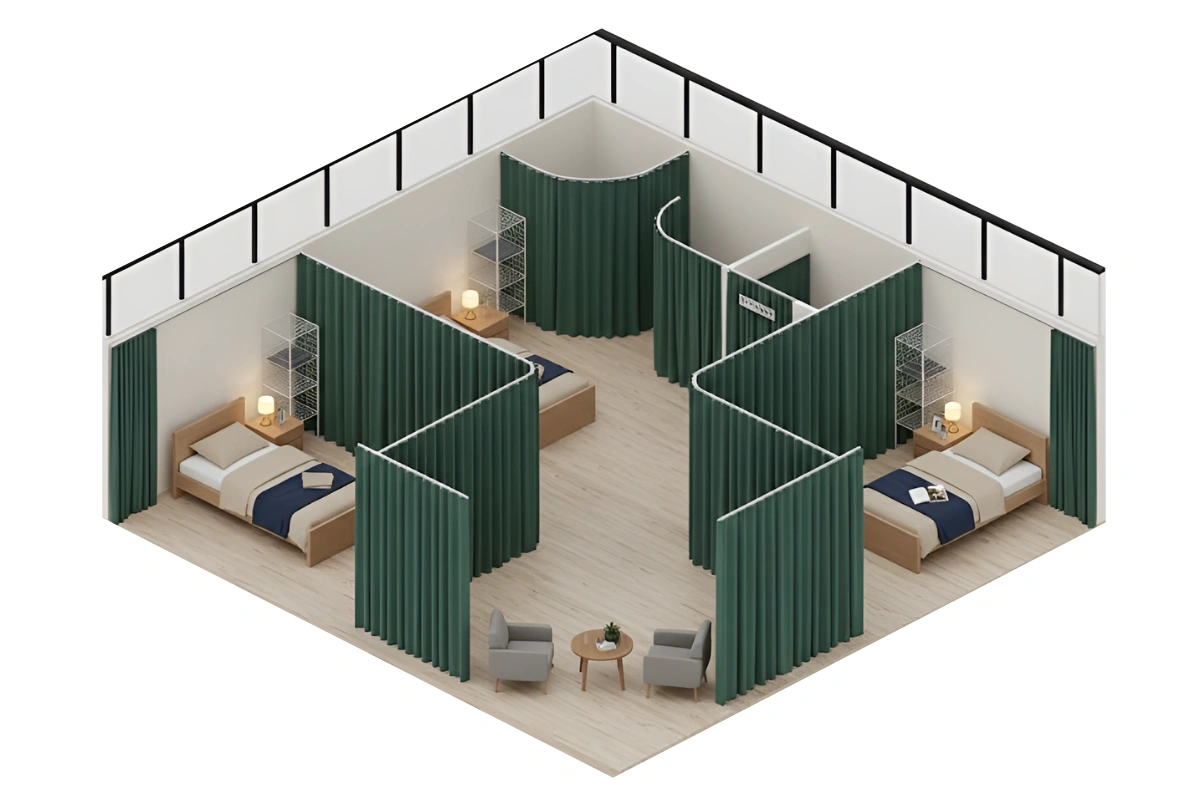
Build Yours Online
Related Products
Industrial Blackout Curtains

Church Divider Curtains

Photo Booths
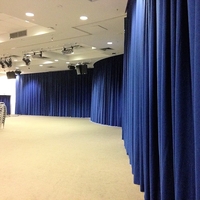
Extra Large Curtains
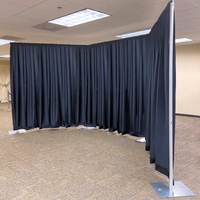
Freestanding Fabric Curtains